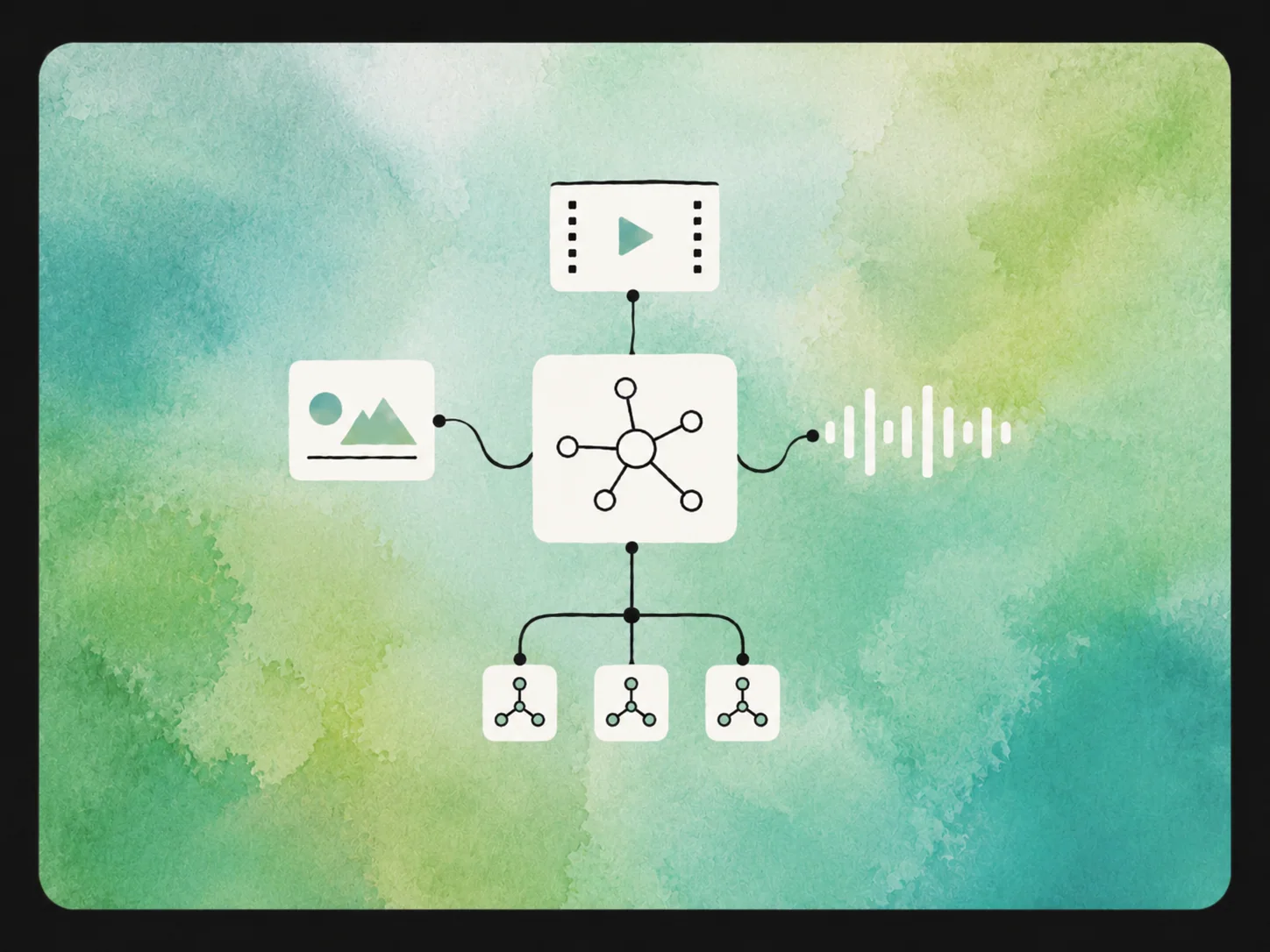
A scripted chat handles questions written exactly as expected. Real shoppers compare products, change their minds and ask about an order already in progress. We built an assistant that identifies the information it needs and checks the catalogue, support material or order system instead of trying to know everything.
The shopper does not think in website sections
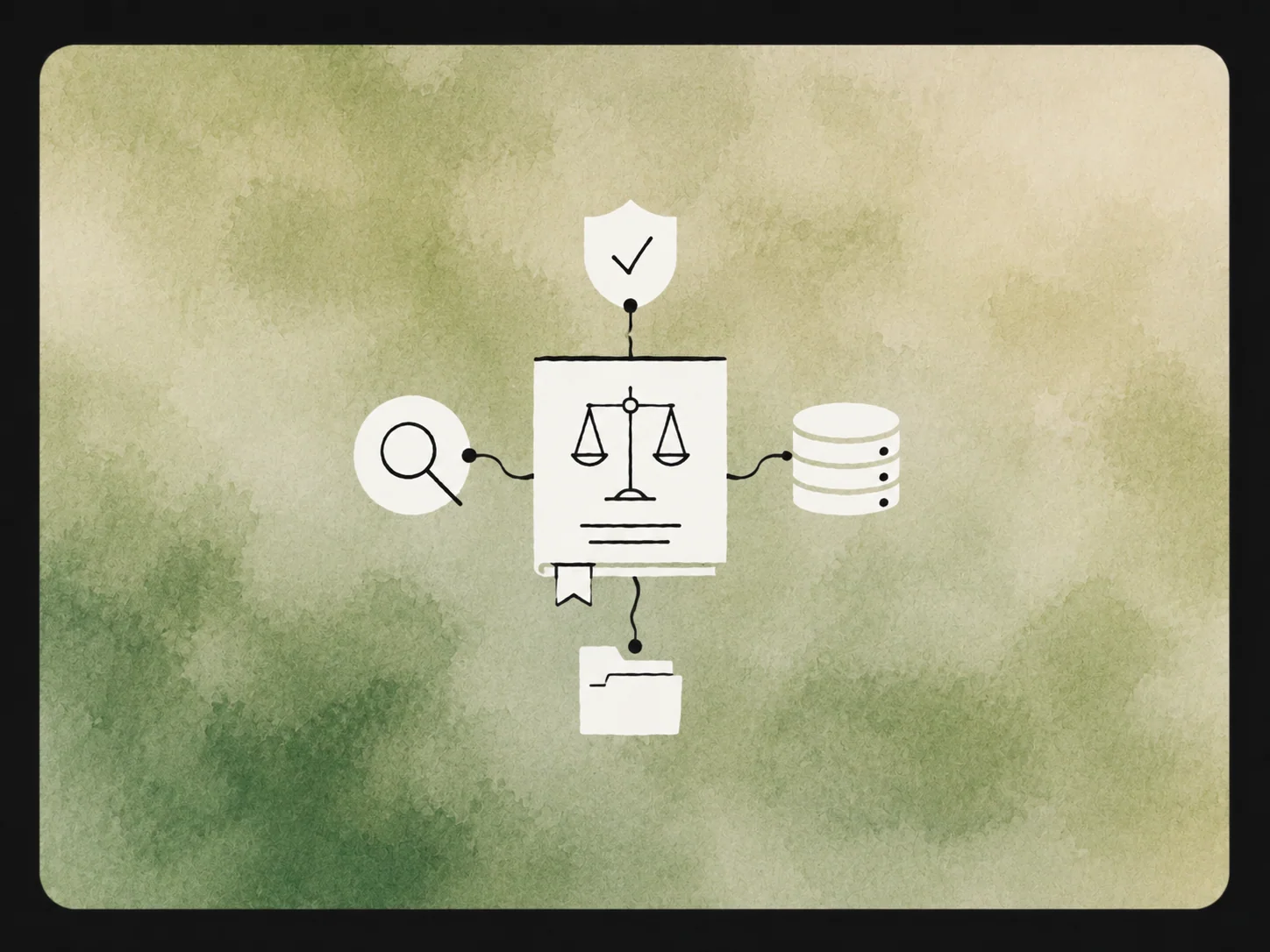
A stock question goes to the catalogue. An order question requires identity confirmation and exposes only that customer’s data. An unusual discount or disputed return goes to an operator. The conversation history follows, so the shopper does not need to start again.
“A lightweight suitcase” contains several conditions
A shopper might ask for a lightweight carry-on suitcase that meets an airline’s size limit and can arrive before Friday. Finding cards labelled “suitcase” is not enough. The assistant must check dimensions, weight, wheel material, price, current stock and the promised delivery date together, then explain why each option fits.
Another conversation starts with a delayed order just before a trip. After confirming ownership, the assistant checks the shipment, shows available collection options and can look for a suitable alternative in a nearby store. It does not invent a new delivery date or promise a refund outside the store’s rules.
Price, stock and delivery are checked at the moment of the question
Names, prices, stock and product characteristics are read from the current catalogue. Delivery and return answers come from active store policies. The assistant does not keep its own stale copy of facts that can change each day.
General advice and personal order data are handled separately. A useful response can show a product card, but opening an order requires confirmation and must never expose another customer’s information.
Calling an operator is not a failure
A conversation can be handed to an operator before anything fails: disputed returns, complaints, exceptional discounts, health questions and missing facts all require judgment. The assistant passes a concise summary of what has already been checked.
The operator’s solution may reveal a better rule, but a one-off exception is not automatically turned into advice for everyone. New behaviour is reviewed and tested on previous conversations before it reaches customers.
A fluent conversation is worthless if the promise is wrong
The main risk is a confident but incorrect answer. The assistant cannot alter an order or promise an exception outside the store’s rules. Repeated questions are handled with stable approved answers, while uncertain cases are escalated.
The assistant handles routine; people handle exceptions
Operators spend less time repeating routine information and more time on cases that require judgment. The assistant should be measured by resolved questions and clean handovers, not by how human or impressive its prose sounds.
After launch, failed searches and handover reasons also expose catalogue mistakes and unclear policies. Money, timing, availability and product safety remain strict review areas where a cautious transfer is better than an attractive guess.
Unanswered questions become work for the store
The store team reviews unresolved topics, weak catalogue matches and the reason behind each handover. These records reveal not only assistant errors but missing product data, confusing delivery rules and questions the website never answers.
The assistant becomes an entrance to the store’s real work rather than a talking shop window. It answers routine questions with facts from the system, hands difficult cases to an employee with the context already assembled, and turns repeated dead ends into a list of product cards, policies or delivery steps the store needs to fix.