Inside a company, the answer often already exists in a policy, presentation or recorded meeting. An employee can ask who approves a partial return after acceptance, which documents are required and what deadline the current policy sets. The answer comes from specific internal material rather than filenames that happen to share a keyword.
The answer must be openable and checkable
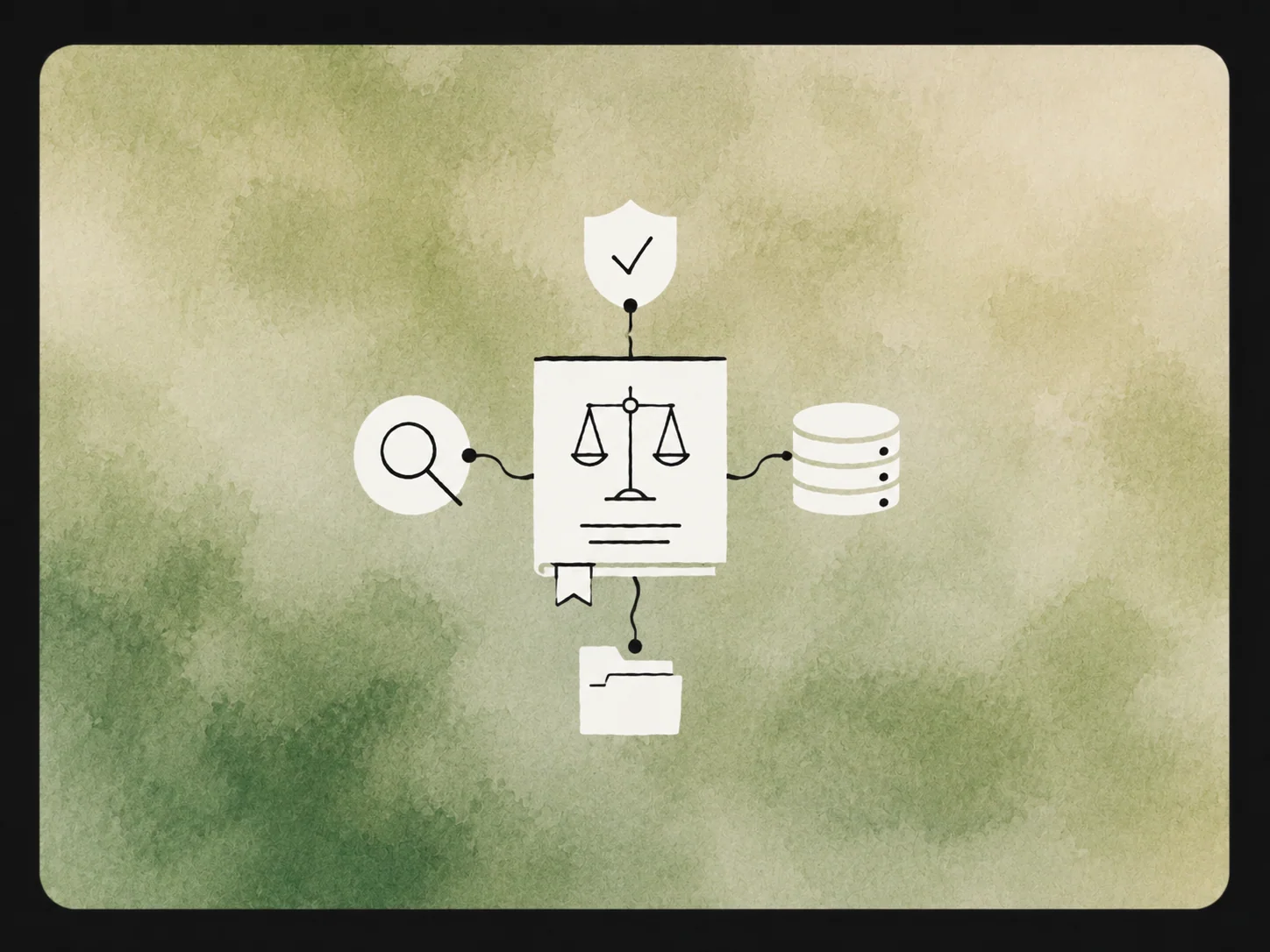
The system does not present a polished sentence as proof. It links each answer to the document and passage it came from. Conflicting sources remain visible. When the evidence is missing, saying so is safer than inventing a plausible answer.
Different files become one searchable archive
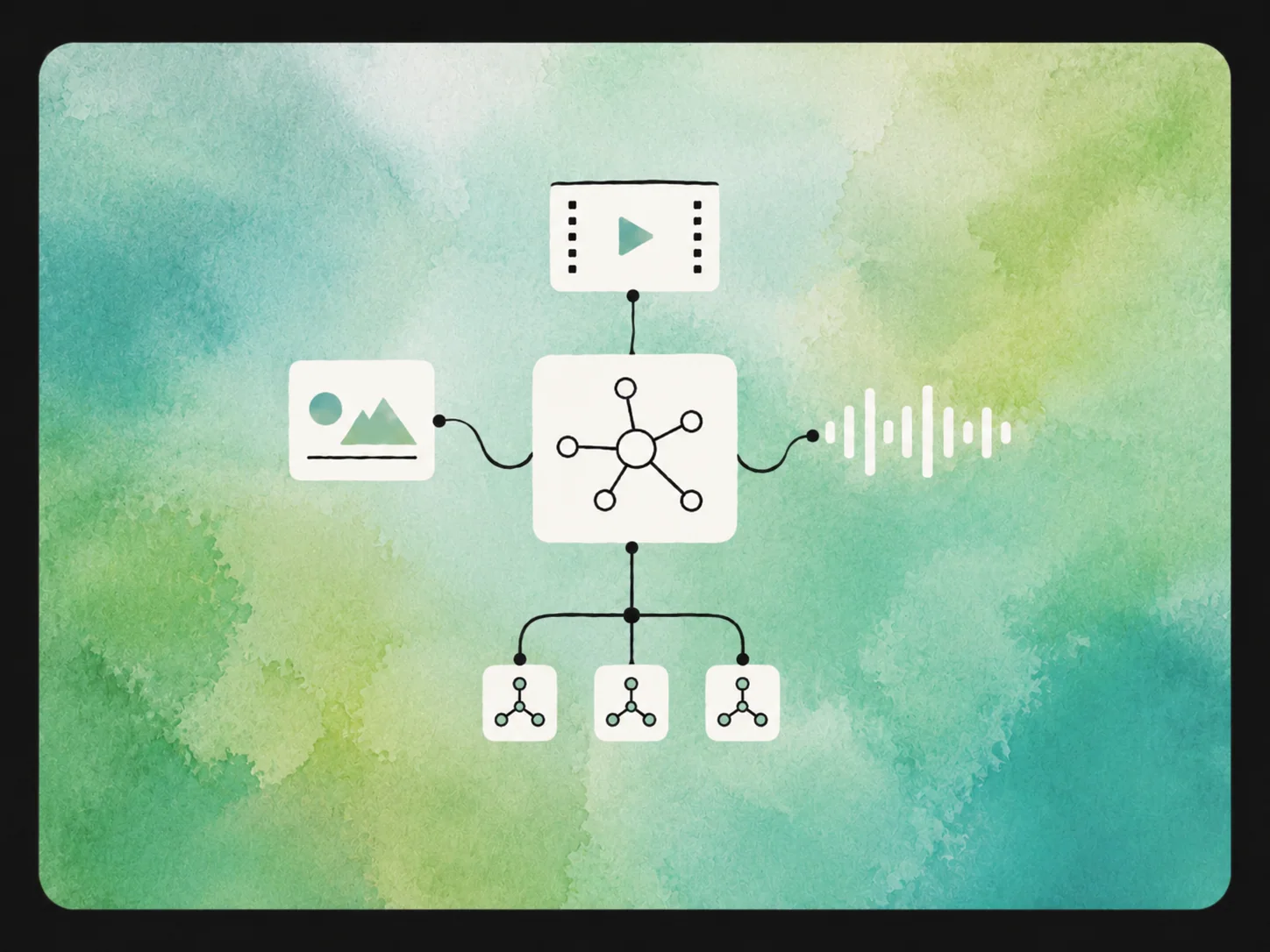
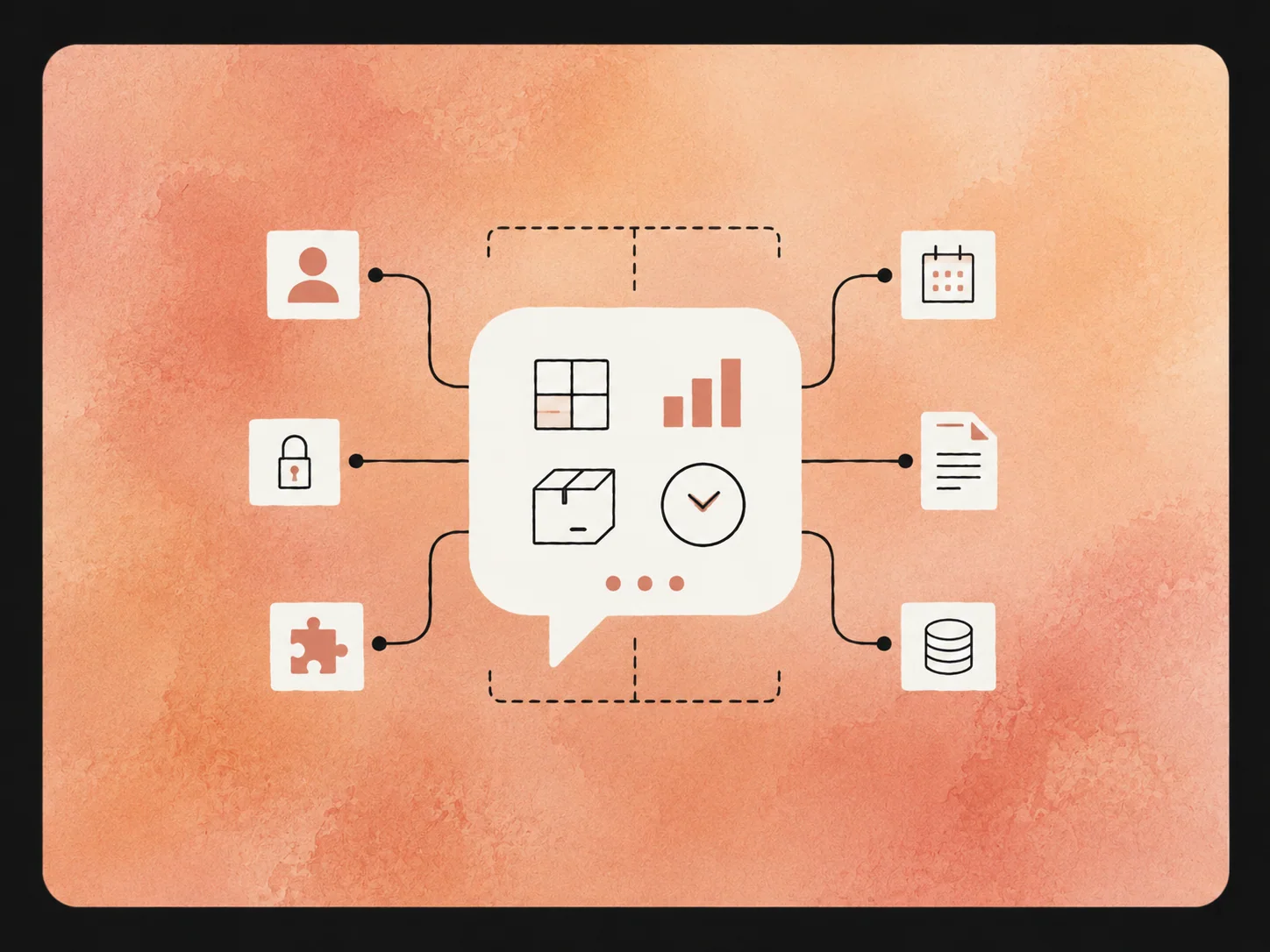
Text documents, spreadsheets, presentations and meeting transcripts can be searched together. Access rules still apply: search must never reveal material a person could not open in its original location.
Employees do not have to move material into a new authoring system. The search layer follows the existing archive, while owners remain responsible for the source documents and their permissions.
A spreadsheet, presentation and meeting enter the same search
When a file is added, the service extracts its text and preserves a link to the original page, slide or moment in a recording. Long documents are divided into meaningful passages, so a question about one rule does not return an entire manual.
Duplicate and administrative pages are removed, and a revised policy replaces the old version. Otherwise an obsolete instruction would continue to appear beside the current one and leave the employee to guess.
One question passes two checks
The service first finds passages close to the meaning of the question. It then checks whether those passages actually support an answer and writes only from that evidence. If the archive contains no answer, general knowledge is not used to fill the gap.
For a disputed question, showing several dated sources is often more useful than forcing one neat conclusion. The employee can see whether the conflict comes from two versions of a policy or genuinely different instructions.
Search does not open a locked folder
Closed folders must not become public through search. A person’s permissions are applied before passages are selected, not after an answer has already been written. This prevents restricted facts from leaking into the response even if the document link itself is hidden.
Query history also deserves protection because it can reveal clients, internal projects and operational problems. Permission to inspect search activity is therefore separate from permission to read company knowledge.
What changes after launch
Employees spend less time asking colleagues to locate a file, create fewer duplicate instructions and notice outdated policies sooner. The system does not clean the archive by itself, however. Current documents, clear ownership and regular review remain essential.
Unanswered questions become a maintenance list for knowledge owners. Changes are checked against real employee questions, including whether the correct source appears and whether the system refuses cleanly when evidence is absent.
Employee questions reveal where the archive itself is broken
Section owners can see questions with no supported answer and documents that frequently disagree. Search therefore exposes missing instructions and undocumented processes rather than merely hiding the disorder behind a chat box.
The manager does not receive another chatbot that must be trusted. They receive a short route to the rule: an answer, a date, a document owner and the exact place in the original. If no rule exists, that absence becomes visible — and the team gets a specific document it now knows it needs to write.