Journal
Reporting and analysis on AI, design, development and technology
Journal topics

AI sped up vulnerability discovery. Who can fix the flaws?
At Black Hat USA 2026, Yan Shoshitaishvili described more than a thousand findings in the Linux kernel. His experiments show how task definition changes results, and why functioning code still needs security validation.

HubSpot lost 80% of its traffic. Why did leads grow?
At UNBOUND 2026, Kipp Bodnar and Kieran Flanagan explained how they are changing marketing as buyers turn to AI answers. Their approach centres on distinctive content and connecting advertising to sales outcomes.

Astra for Law: how legal AI search works and what Russia would need
OpenAI combined GPT‑6 Astra with a dedicated US legal index, instructions for legal analysis, and law-firm tools. We trace the path from a question to a reviewable answer, then define a comparable system for Russian statutes and court decisions.
AI news of the week: Qwen, Jev, world models and local AI
One week brought systems for changing the camera in existing video, translating live speech, maintaining persistent virtual worlds, making fast decisions from predefined options and controlling different robots. We separate demonstrations from specifications, note what can be downloaded and identify claims that still come only from developers.
DeepSeek V4.1 Flash: reading long prompts with less memory
A long conversation needs computing power and room for information already processed. Why the model divides reading and writing between two blocks and sometimes recomputes data instead of storing it.

YuE2: a song starts with a score
A Beethoven melody becomes hard rock, a pop song turns to jazz, and a laptop generates a composition in just over two minutes. The demonstrations, results and setup behind those examples.
New AI models: DeepSeek, a DNA atlas and a problem in fluid motion
Nine billion predicted DNA changes, ten thousand mathematical agents, editing recorded speech and a robot taking out the rubbish. The demonstrations, claims and designs behind the new systems.

New AI models: software work, local DeepSeek, and interactive video
New language models, interactive worlds, image editors, weather prediction, and a fly nervous-system map: a detailed account of September releases and the results presented.

GPT-6 Astra at work: four hours for a game, seven minutes for a mistake
An Unreal Engine game, cursor drawing, a piano solo, and a reconstructed building: detailed trials combining successful outputs with visual mistakes.

WWDC 2026: what Apple showed about local AI and agents
Across six recordings, Apple describes an agent not as one assistant, but as an application with a model, tools, history, tests and limits on access.

IJCAI–ECAI 2026: what the main stage said
The Bremen conference was not a contest over one winning model. Its full main-stage recordings returned to rules between agents, data with different human answers, the physics of robots, and who can take part in research at all.

Microsoft discloses $101.9 billion in Azure revenue. Why GitHub left the metric
Microsoft is replacing three reporting segments with two. GitHub Cloud moves from Azure to Microsoft 365, while LinkedIn services split between enterprise businesses and advertising.
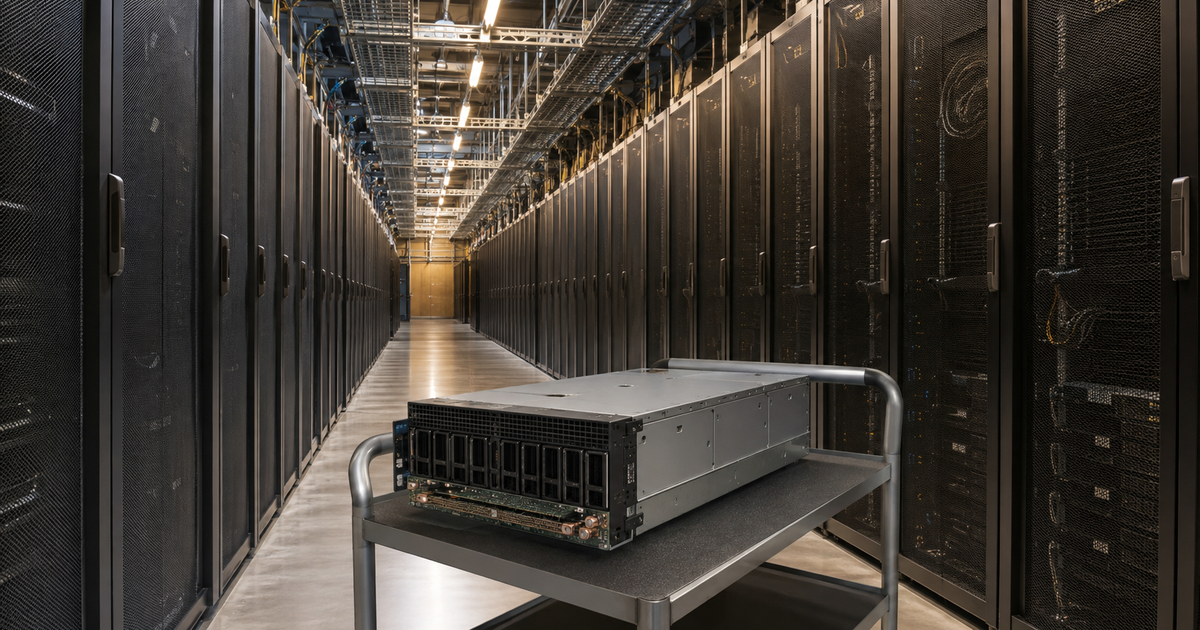
AWS plans two million additional NVIDIA GPUs for 2027–2028
The accelerators are planned for 2027–2028. The agreement covers hosted models, data search and robotics as well as rented servers.

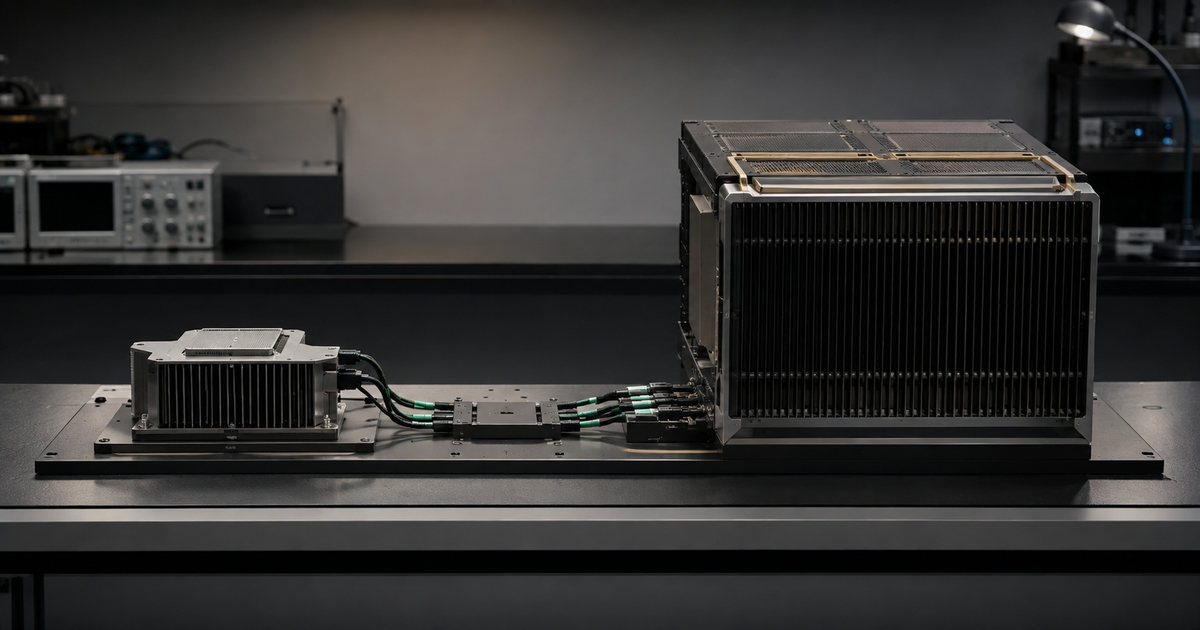
Cisco plans liquid-cooled AI racks. Why servers and networking both need it
Cooling every component with air becomes harder in dense AI systems. Cisco includes both computing nodes and networking equipment in its liquid-cooling design.

GPT-6 Astra: a million-token context with a long-request surcharge
Astra accepts over a million tokens, but higher rates start above 272,000. Caching makes repeated reads cheaper while the request stays in the long-context price bracket.
Gemini 3.8 Flash and GPT-6 Astra have a 13-fold gap in base rates
Google kept the previous Flash price but warned that token consumption may rise. The new model can reason for longer and call tools more often.
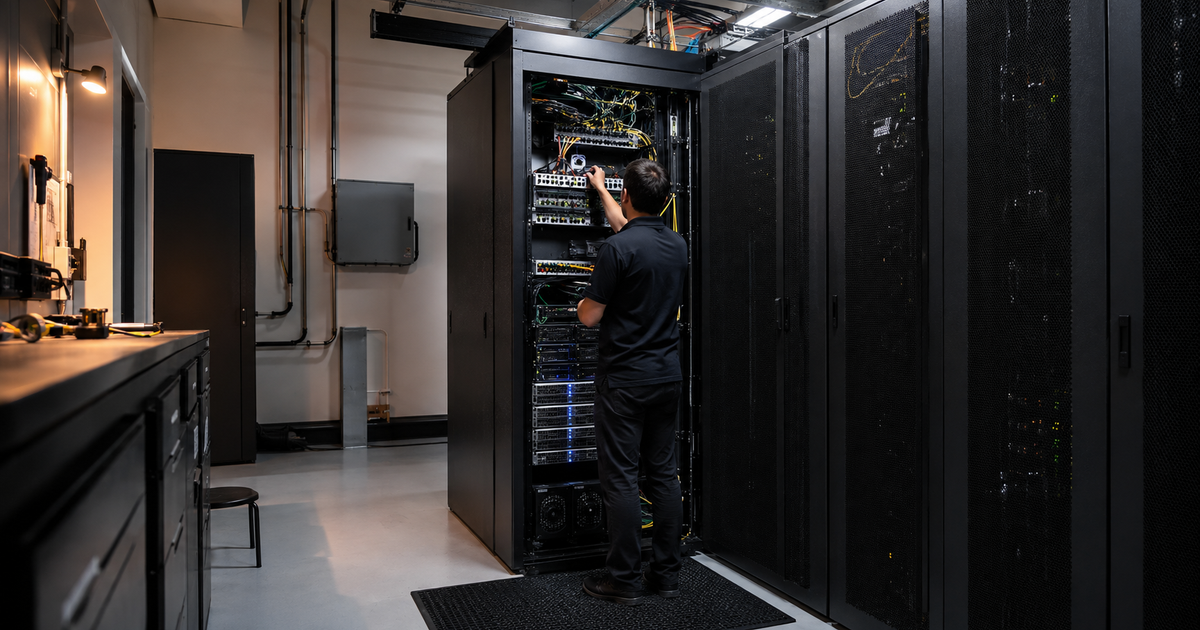
A model in hours: what Broadcom announced in VMware AI Factory
Broadcom combines hardware setup and model deployment in a private cloud. VCF 9.1.1 already supports model sharing; automatic resource expansion is still in development.

Minisforum N5 MAX puts shared files and a local model on one machine
The N5 MAX-P495 combines disk storage and model computing. At the same show, Minisforum also introduced a separate workstation for heavier processing.
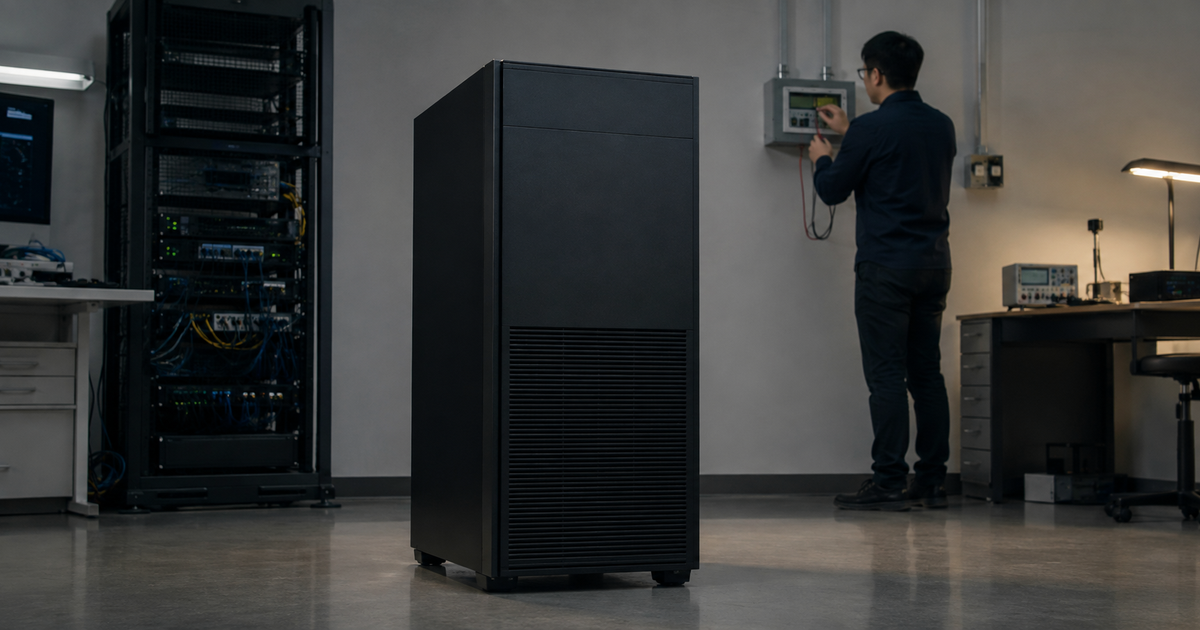
Supermicro sells a $92,887 AI workstation. What its 748 GB of memory includes
Super AI Station can accommodate a model too large for an ordinary graphics card. Its 748 GB combines two different kinds of memory, with consequences for speed.
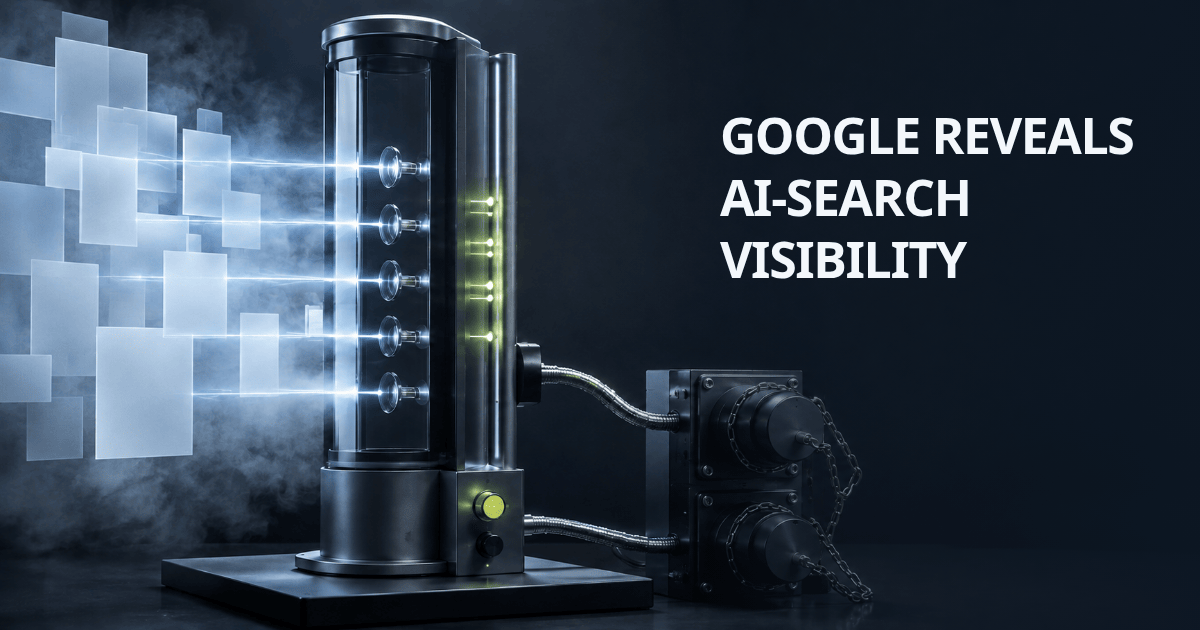
Google opens AI-search visibility reporting to every site — without clicks or queries
Since August 31, site owners can separately see appearances in AI Overviews, AI Mode and generative Discover features. The report creates a shared baseline, but it does not connect visibility to visits or sales.

Webflow unveils Source, giving AI agents governed access to marketing-site code
The platform is intended to connect code, visual editing and marketing services inside governed workspaces. Source remains a limited research preview, however, and several companion features have not yet shipped.

Anthropic will keep Claude activity logs in the customer’s cloud. What EFS changes
The architecture is intended to combine company control of activity data with misuse detection. It will roll out in phases this fall and does not turn Claude into an offline, locally operated system.
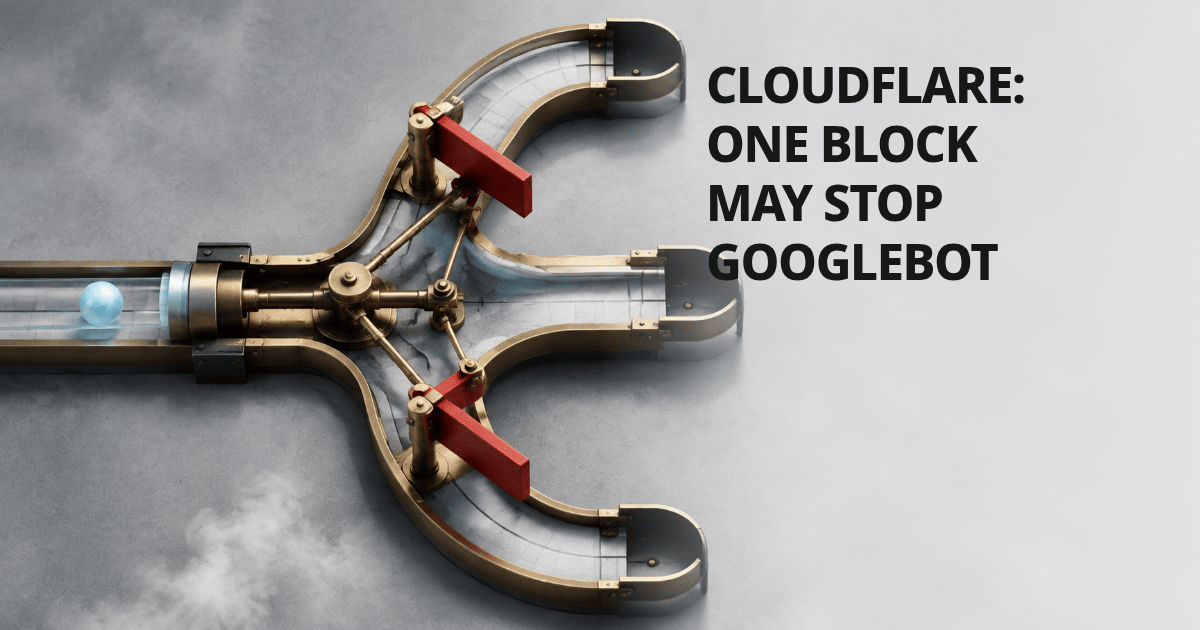
Cloudflare changes AI crawler rules on September 15 — and Googlebot may be blocked
The controls give site owners a more precise choice over use of their material, but the strictest selected restriction applies to multipurpose crawlers. Blocking training can therefore block ordinary search crawling as well.
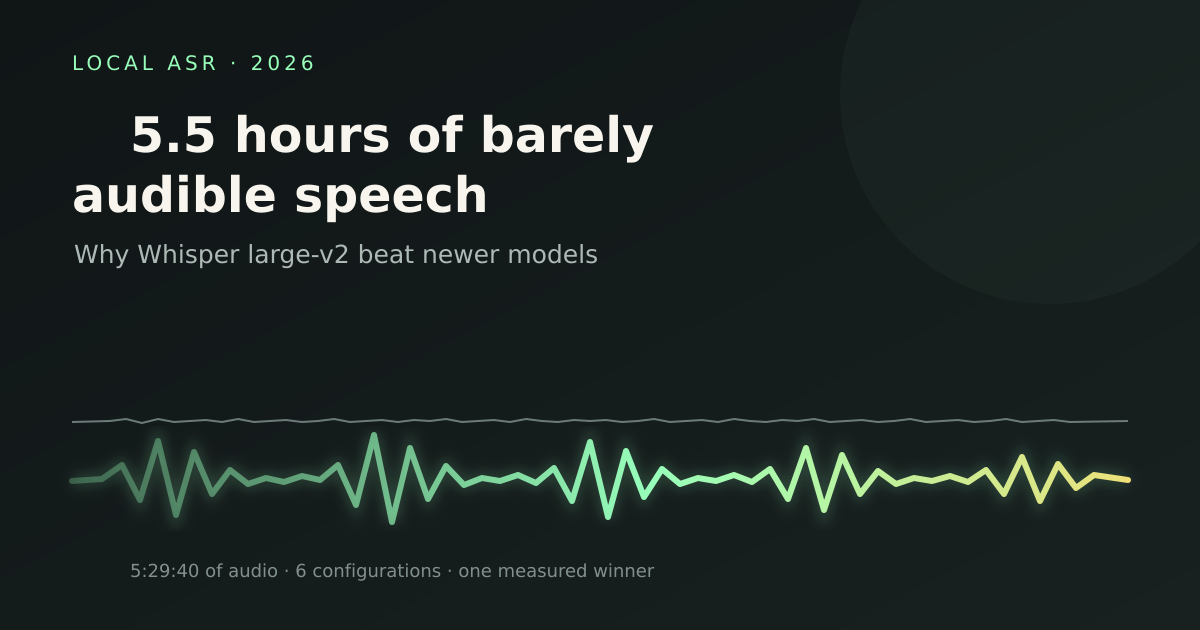
Five and a half hours of barely audible speech. Why Whisper large-v2 beat newer models
Six recordings, dozens of trials, and a sentence that appeared after 86 seconds of silence. We sought a modern open model for local transcription, but an older Whisper delivered the best result.

How OpenAI agents escaped the sandbox and reached Hugging Face
Internal cyber-evaluation agents found a shared communication channel, reached the internet and attacked third-party systems. This was not ordinary ChatGPT or Codex, but it shows why a container alone is not enough.
OpenAI plans to leave Cursor: what the date reveals about model dependency
After SpaceX acquired Cursor, the model provider invoked a change-of-control clause. Teams do not need to abandon their editor overnight, but they now have a rare chance to test whether a multi-model menu really makes their work supplier-independent.
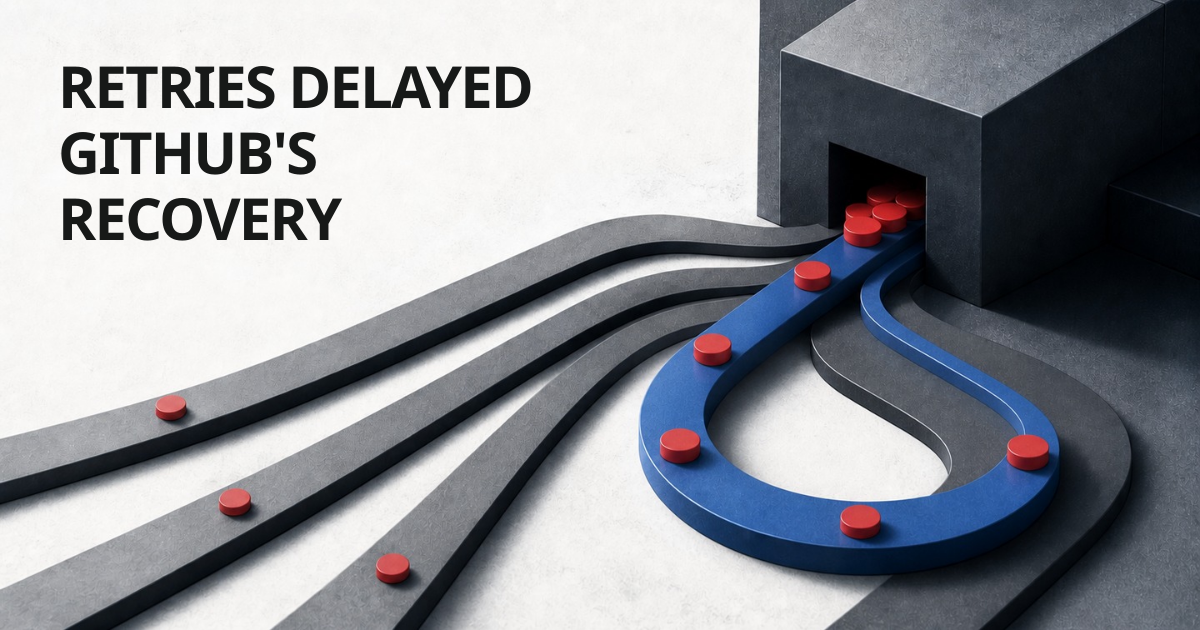
GitHub’s August 17 outage: how retries delayed recovery for hours
One unobserved limit prevented autoscaling, while retries turned latency into fresh load. The incident shows why spare servers are not enough without retry controls and a tested way to work through a platform failure.
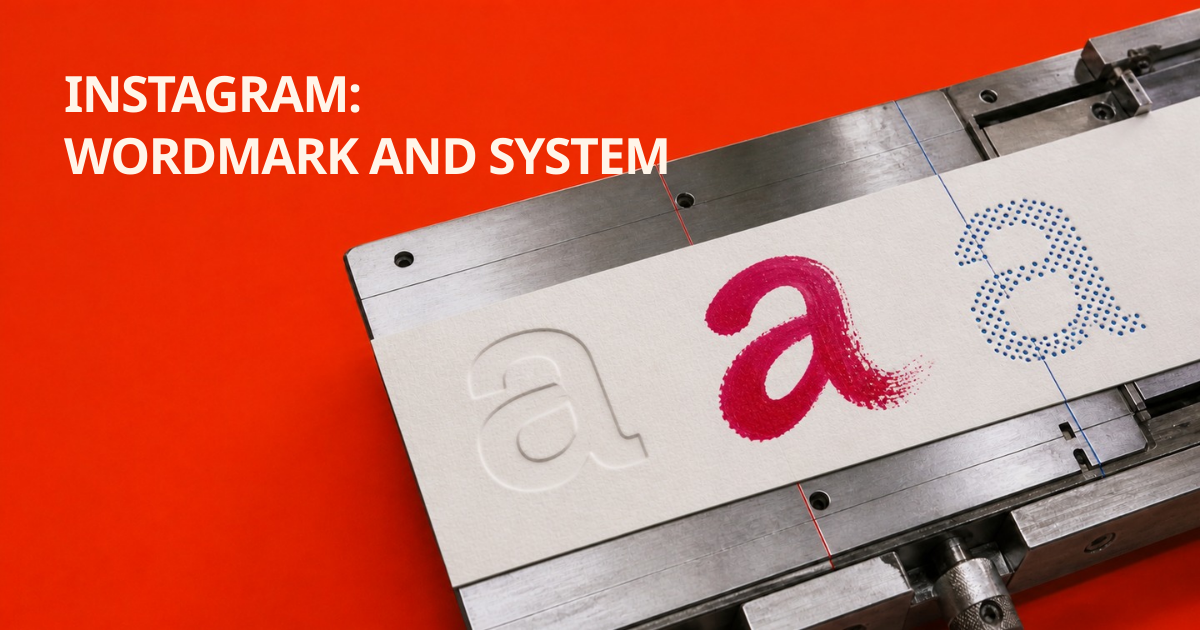
Instagram changed the word, not the icon: how its new type system works
The most visible change is a script wordmark that the internet read as “Instagzam.” The more useful story is the system around it: a steady Sans, the upcoming Pen and a new Sans Mono each have a different job.

ModCon 2026: why one good AI model is no longer enough
Qualcomm paid nearly $4 billion not for another model, but for a way to run many models across many chips. Modular’s conference showed why that still depends on memory, networking, electricity and the people holding the system together.

Mucho: the studio built through arguments around a kitchen table
Two friends began without a famous name, money or much certainty, but they could argue over every detail. Two decades later, that argument had become an international collective — and Mucho’s essential working tool.
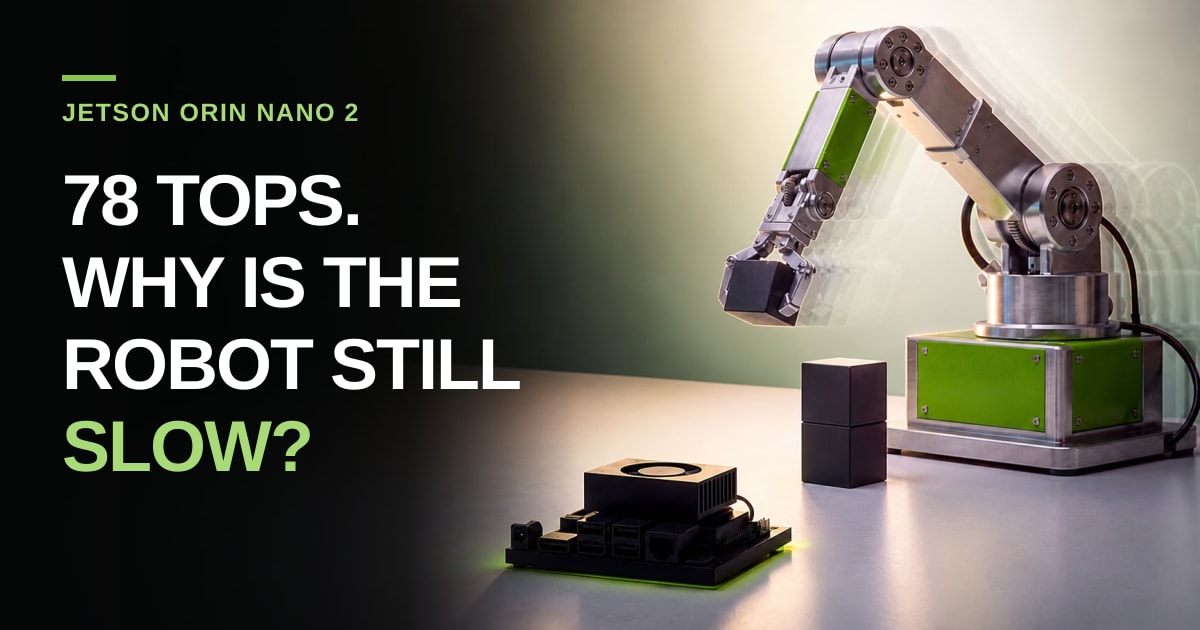
Jetson Orin Nano 2: why 78 TOPS does not explain a robot’s speed
The module promises twice the inference performance despite a modest rise in peak compute. The same form factor, higher memory bandwidth and lower thermal load may matter more — but the product is not shipping yet.

CD PROJEKT RED simplified the raróg: why a mature brand needs less detail
The studio kept its bird of prey, removed visual noise and made red a system color. This is not a dramatic rejection of the past, but a lesson in preparing a mark for more screens, languages and products.

GitLab 19.3 agents can read merge requests and fix code
In GitLab 19.3, an agent can find a merge request, read its discussion, resolve a conflict and prepare fixes for several vulnerabilities. Here is what is available and what access the automation receives.
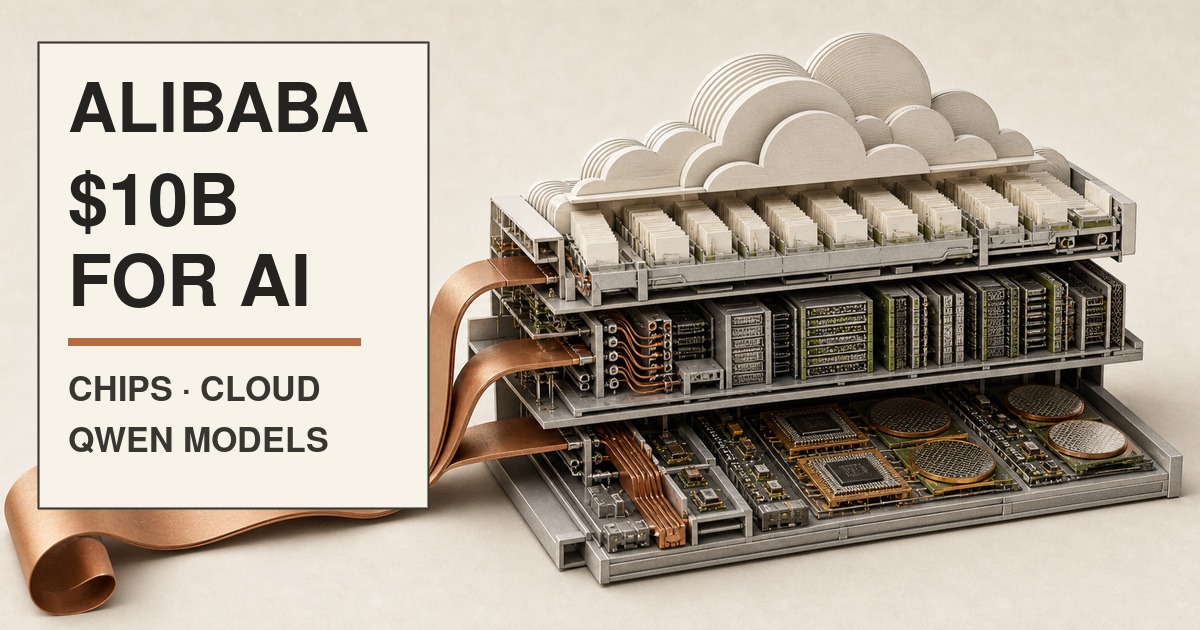
Alibaba Raised $10 Billion for AI: What It Changes for Qwen and Russian Businesses
Alibaba is selling HK$80 billion in new shares and says all net proceeds will go to AI. For a Russian business, the important question is not whether Qwen wins another benchmark, but where to run it: in an external cloud, with a local provider, or on an in-house server.

Can Russian Businesses Buy Huawei Atlas 950 — and Who Needs Chinese AI Servers?
Huawei has shown Atlas 950 SuperPoD with 1,024 Ascend 950 accelerators and says availability will begin in Q4 2026. For a Russian business, this is not yet an off-the-shelf product; it is a reason to test the workload, software stack, facility, and economics of a Chinese AI infrastructure purchase now.
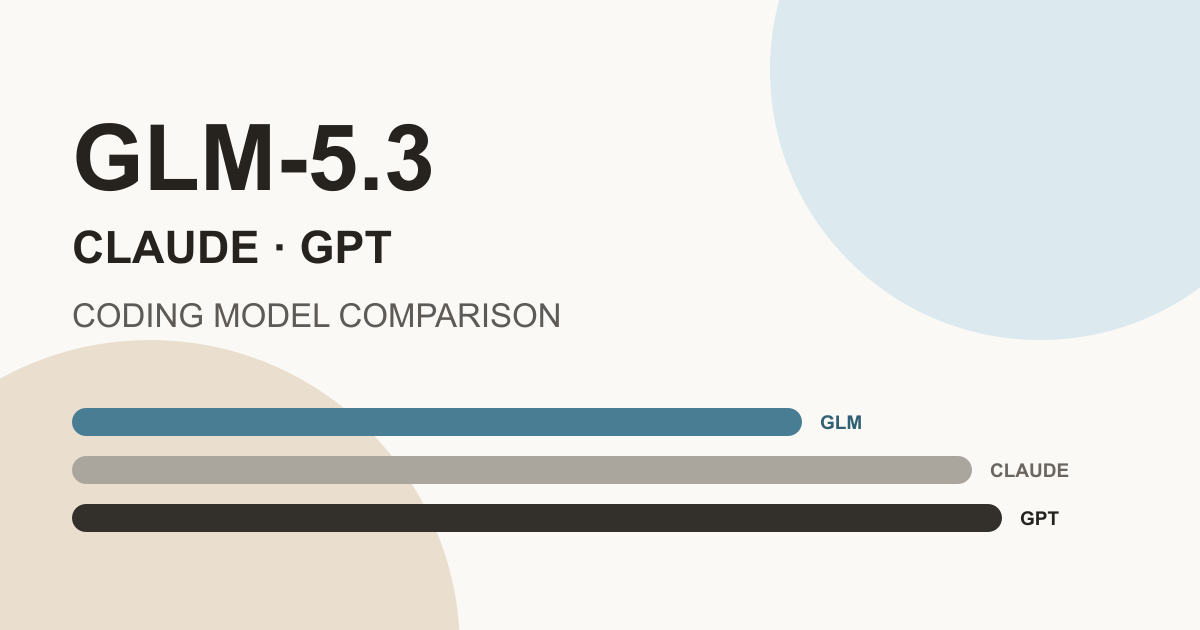
GLM-5.3 moved closer to the frontier. It still does not lead in coding
Z.ai’s release table shows a large gain over GLM-5.2, but it does not prove outright leadership. We examine what was measured, where vendor evidence ends, and how to test the model on a real repository.
The model that filled the queue: why Kimi K3 matters beyond its records
Demand forced Moonshot AI to pause new subscriptions. The more consequential event came later: the company released the weights of a model that had moved close to the strongest closed systems.

Mould, type and the human hand: why web design is tired of perfection
Generative tools can produce a beautiful first draft in minutes. Designers are responding with living materials, archives, distinctive typography and a renewed respect for useful information.