A video archive quickly becomes a black box. An editor remembers the subject but not the episode or minute. Manual search may take longer than the edit itself. Our system transcribes speech and connects each passage to its exact place in the recording.
The task was not simply to make transcripts searchable. We wanted an editor to describe an incomplete memory — the idea, the speaker, something shown on screen — and receive a short list of moments worth watching.
Human memory does not look like a search query
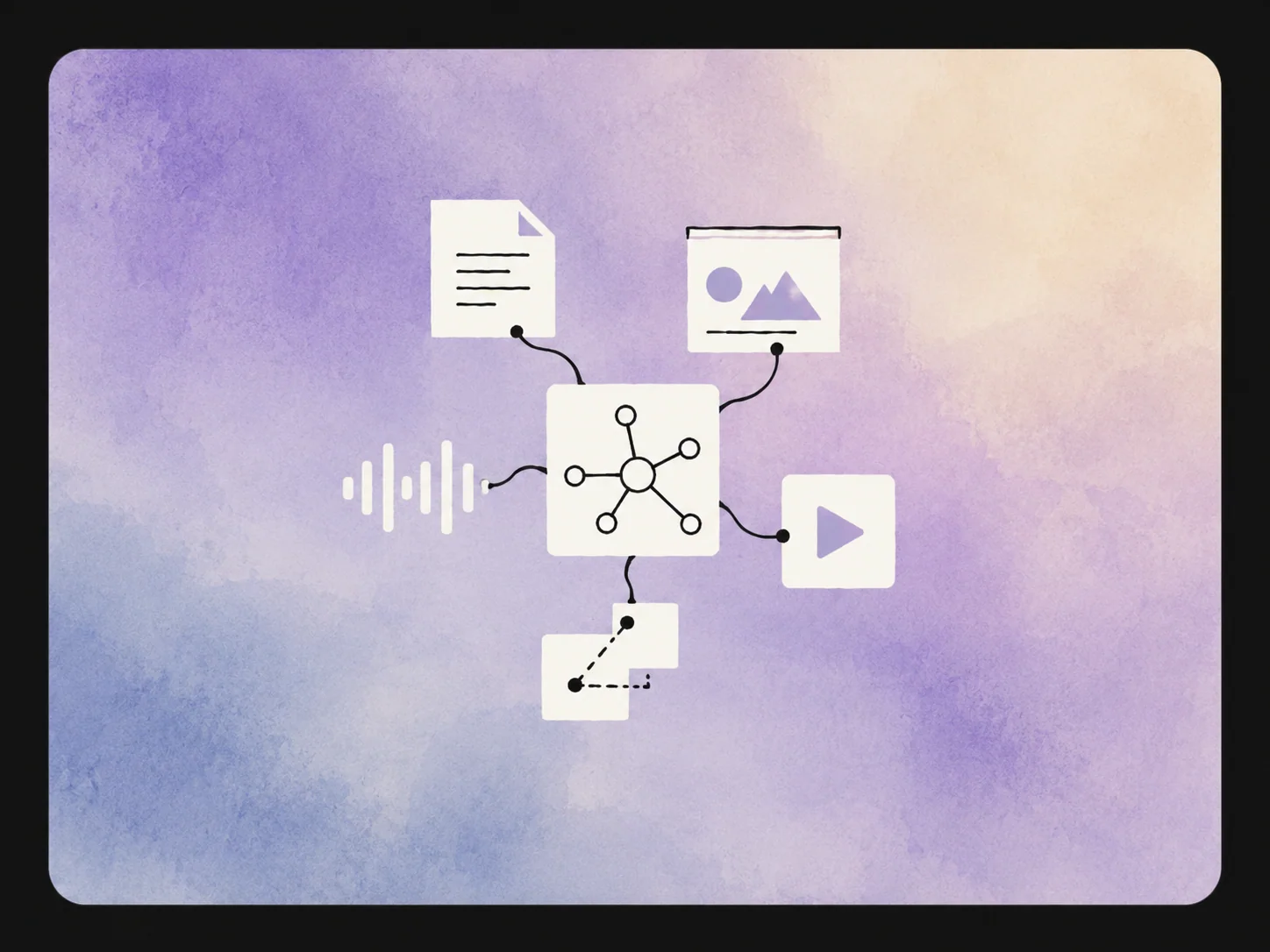
An editor can ask for the moment in an interview where a founder acknowledges a launch mistake and then shows the first prototype. The search combines meaning with the visual scene rather than waiting for one exact phrase. Every candidate opens at the relevant time in the source recording.
Each match includes the recording title, a short transcript and an exact time. The editor can listen before and after the passage instead of treating an isolated sentence as a verified quotation.
What happens to a new recording after upload
A recording is divided into searchable passages while its original time references are preserved. Speech becomes text, and representative frames can help distinguish visually similar conversations or locations.
New material is processed in the background and appears progressively. Re-uploading the same file must not create duplicates, while removing a source also removes the search entries derived from it.
Long processing should never look like a frozen screen
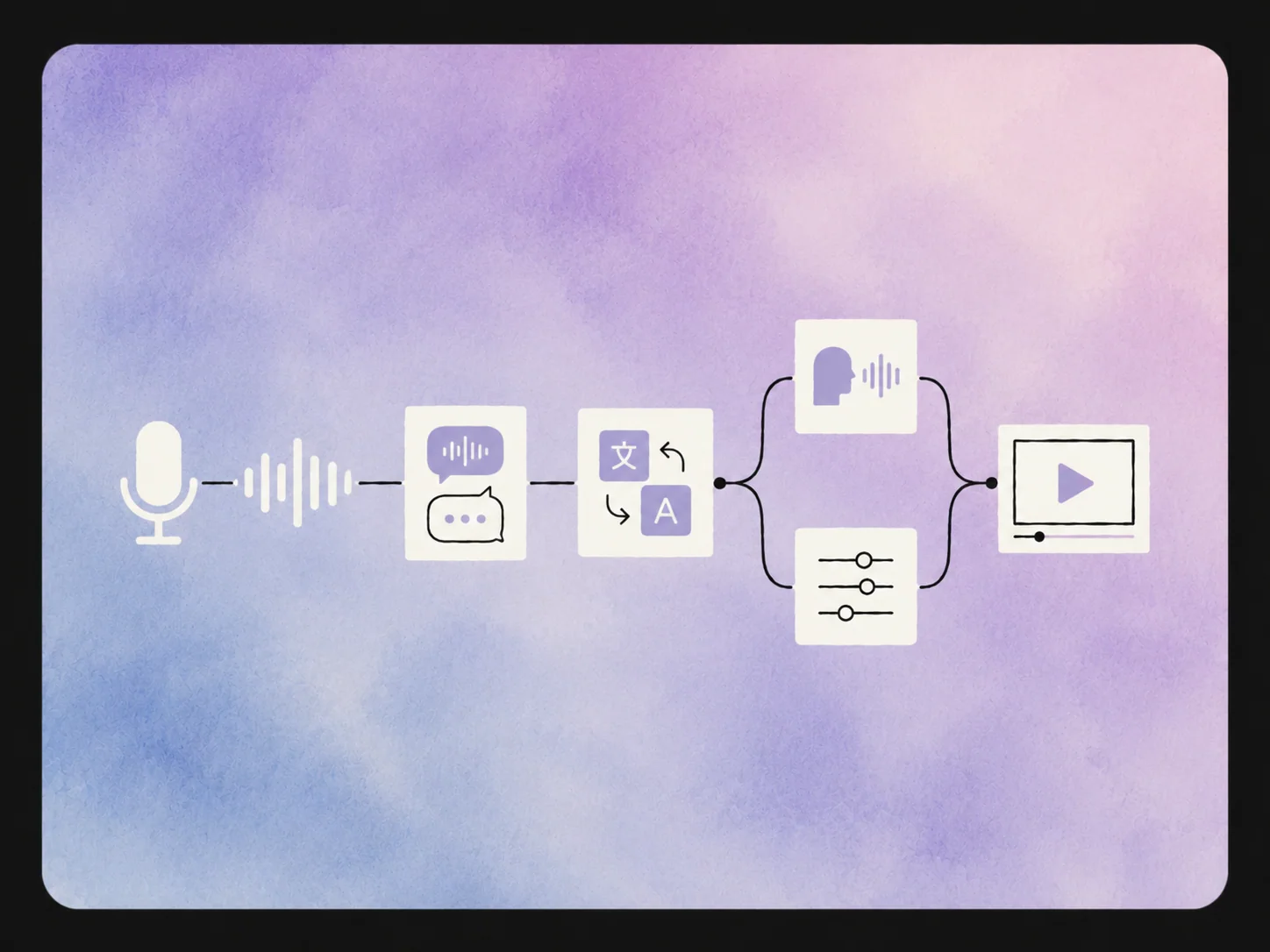
Download, transcription, translation and subtitle preparation can run as one job. The user sees its progress and receives finished files rather than a stream of technical messages.
If one file fails, completed recordings remain available. The failed stage is shown separately, allowing the editor to replace a damaged source or repeat only the incomplete work.
A found scene becomes working material
A useful segment can be downloaded, sent to an edit, prepared for subtitles or grouped with other findings. Its link to the original remains attached so the origin of a quotation can still be proved days later.
Editors may narrow results by topic, participant or date and then arrange them manually. Search reduces viewing time but does not make the editorial decision about what belongs in the final programme.
Names and numbers must be checked in the recording
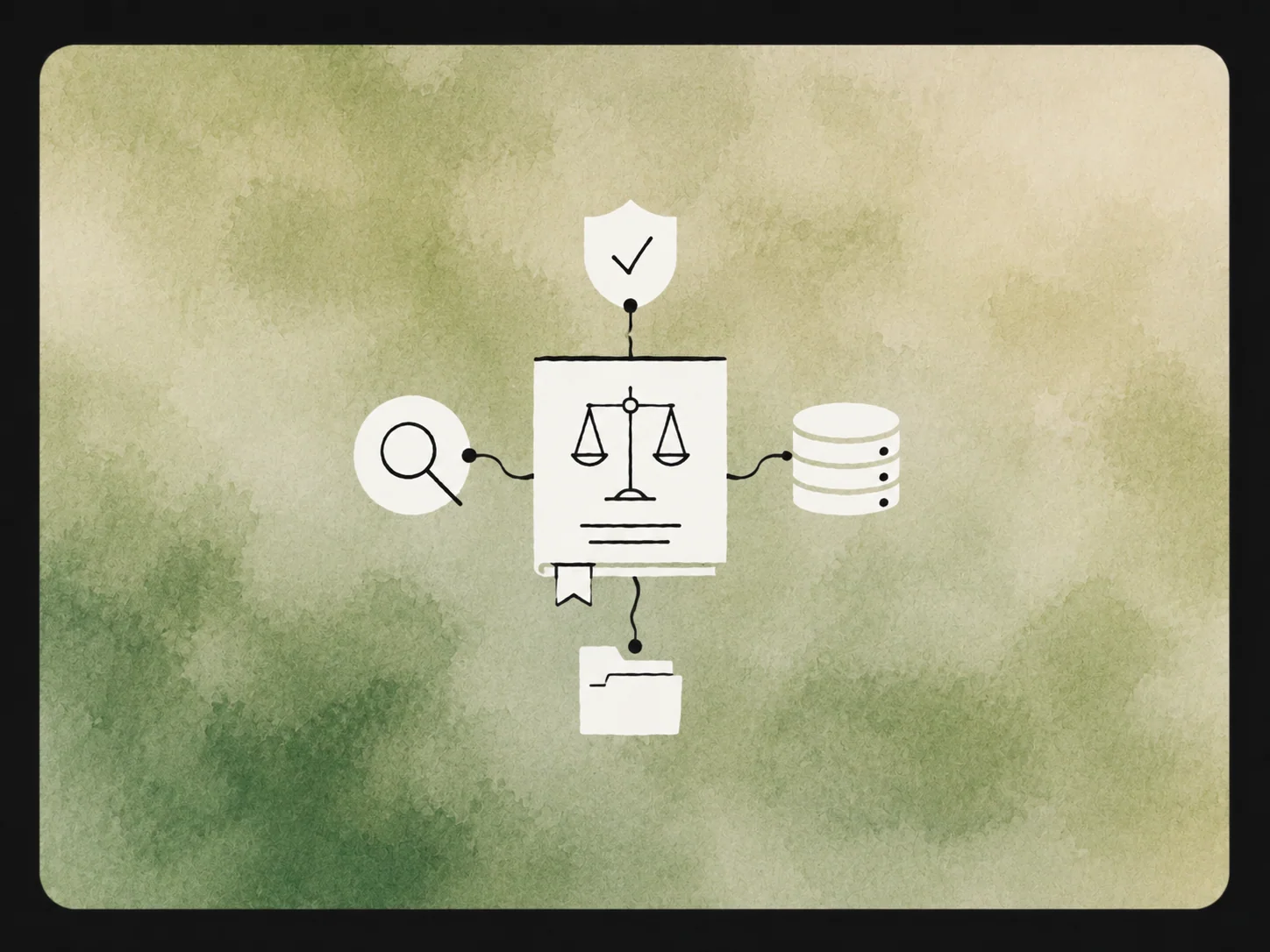
Names, numbers and speech recorded in noise can be transcribed incorrectly. Search results are leads, not publishable facts. An editor must check the original clip and context before using a quotation.
Access rules are checked too. A person should find only recordings they could already open; a convenient interface does not override editorial agreements or archive permissions.
How we know the search is genuinely useful
Tests use real editorial tasks: finding one exact quotation, every mention of a subject, or a suitable visual shot. A correct result buried below dozens of weak matches is not considered useful.
Noisy audio, overlapping speakers, foreign names and figures form a separate difficult set. Their failures remain visible limitations rather than disappearing inside one flattering average.
The archive returns to the editorial process
The original files remain unchanged and their existing permissions still apply. The system takes over hours of preliminary viewing and leads the editor to several likely moments. The final step stays deliberately human: open the scene, hear the question and decide whether the line can honestly be taken out of that conversation.