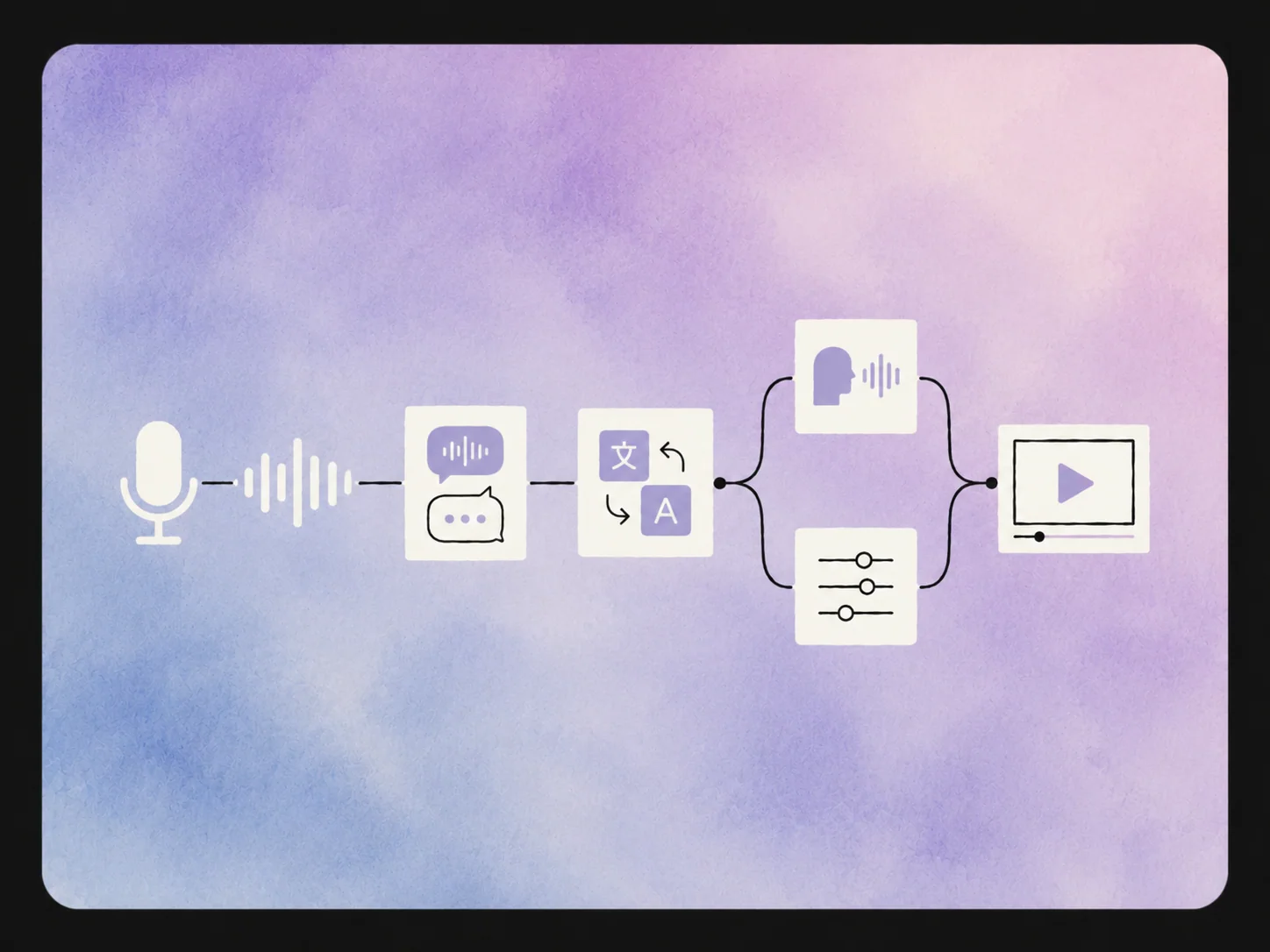
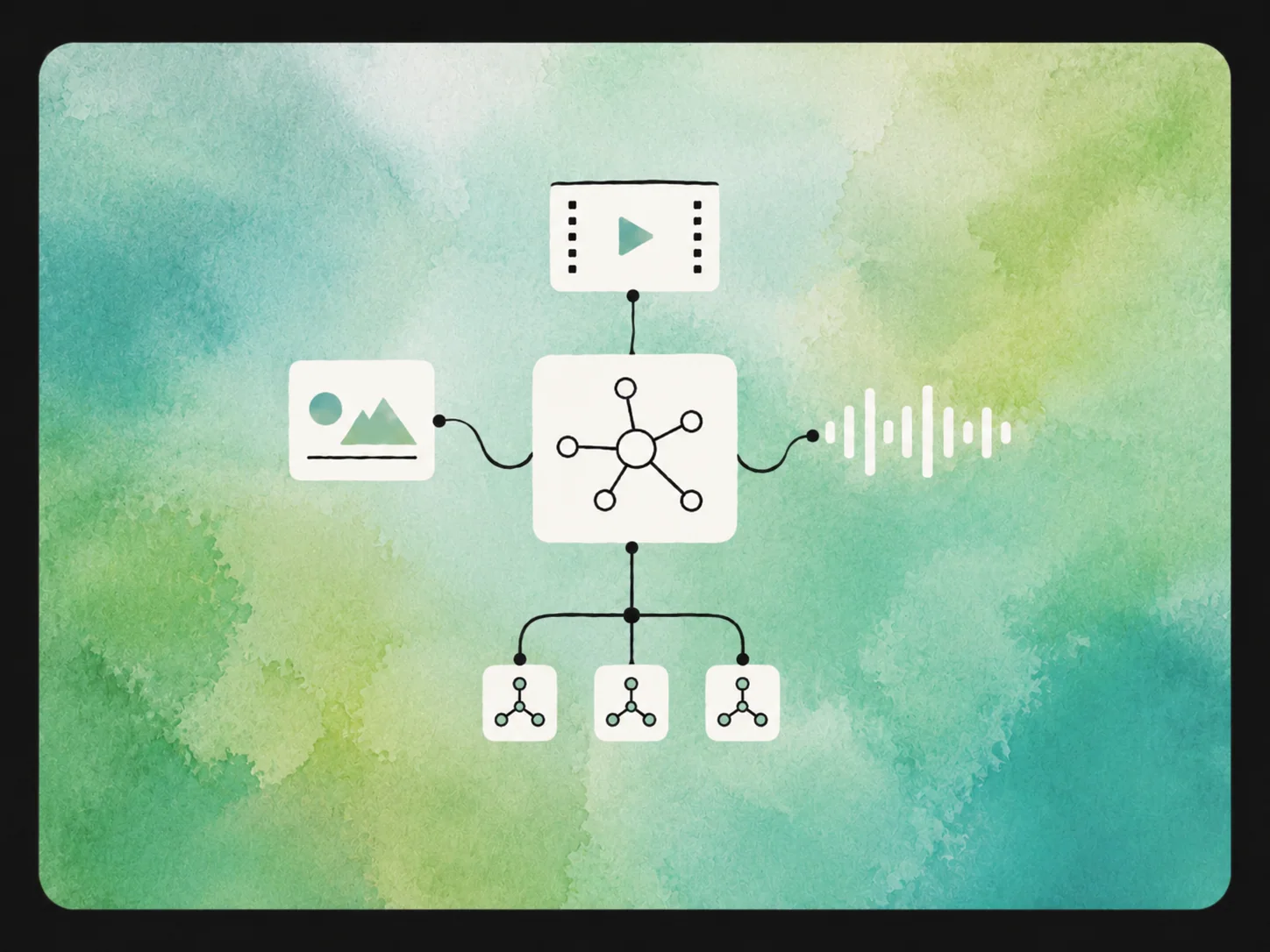
Fast-forwarding through a long video is tiring and still misses important moments. Analysing every frame is slow and expensive. Our system first detects scenes, removes darkness, title cards and near-duplicates, then keeps representative moments in their original order.
The result is not an automatic verdict about what matters. It is a route through the recording: a reviewer sees where events change and can open the surrounding seconds before making a decision.
A frame strip is a map, not a verdict
The selected frames reveal the main visual subjects and changes across a recording. They do not replace the source when exact words, causes or brief events between two frames matter.
Every frame keeps its original time. A reviewer can open the surrounding seconds and inspect the event instead of drawing a conclusion from one still image.
Find the events first, then choose the frames
Taking one frame every ten seconds can miss a brief event and produce many identical images from a quiet passage. The service instead marks meaningful image changes and scene boundaries.
Near-black images, title cards and close duplicates are removed. Representative frames from the remaining scenes stay in chronological order, turning the selection into a readable route through the recording.
A lecture and a security camera need different views
An interview cares about speaker and screen changes, observation footage about unusual movement, and an editing library about a new shot or location. One universal importance rule would serve all three badly.
The reviewer therefore chooses the purpose and can alter selection density later. Existing scene boundaries are reused, so a different overview does not require the file to be uploaded and analysed from the beginning.
Where the map earns its place
The approach is useful for observation archives, lectures, interviews, research recordings and editing libraries. In each case it narrows the material a person needs to inspect rather than claiming to understand the whole recording.
The output can be a frame strip, a short summary or a list of timestamps. Teams use it to assign material and decide which sections require full viewing.
The worst error is missing a brief event
Low light, rapid motion and unusual editing can affect the selection. Decisions about safety, medicine, law or publication must never rely on an automatic frame sample alone.
Quality is tested on the same kind of archive that will be used after launch. We measure missed events, repetitive selections and the speed of returning to the original rather than choosing only visually impressive examples.
The source always stays within reach
A reviewer receives a shorter route through the video: what changed, in what order and where to inspect it fully. The source remains unchanged, so selection rules can improve without losing footage or the reviewer’s saved choices.
How a team works with the route
The processed recording appears as a chronological scene strip. A reviewer can narrow it by time or visual subject, open the original around a selected moment and save promising scenes as a collection for another member of the team.
This map is most useful at the beginning, when the team does not yet know what it is looking for. One person can scan the recording and mark promising or suspicious places; a colleague opens only those episodes. The video remains whole — we shortened the route to it, not the evidence or the need for human review.