Artificial intelligence
Models, services and practical uses of AI without the marketing noise
Journal topics

Astra for Law: how legal AI search works and what Russia would need
OpenAI combined GPT‑6 Astra with a dedicated US legal index, instructions for legal analysis, and law-firm tools. We trace the path from a question to a reviewable answer, then define a comparable system for Russian statutes and court decisions.
AI news of the week: Qwen, Jev, world models and local AI
One week brought systems for changing the camera in existing video, translating live speech, maintaining persistent virtual worlds, making fast decisions from predefined options and controlling different robots. We separate demonstrations from specifications, note what can be downloaded and identify claims that still come only from developers.
DeepSeek V4.1 Flash: reading long prompts with less memory
A long conversation needs computing power and room for information already processed. Why the model divides reading and writing between two blocks and sometimes recomputes data instead of storing it.

YuE2: a song starts with a score
A Beethoven melody becomes hard rock, a pop song turns to jazz, and a laptop generates a composition in just over two minutes. The demonstrations, results and setup behind those examples.
New AI models: DeepSeek, a DNA atlas and a problem in fluid motion
Nine billion predicted DNA changes, ten thousand mathematical agents, editing recorded speech and a robot taking out the rubbish. The demonstrations, claims and designs behind the new systems.

New AI models: software work, local DeepSeek, and interactive video
New language models, interactive worlds, image editors, weather prediction, and a fly nervous-system map: a detailed account of September releases and the results presented.
GPT-6 Astra at work: four hours for a game, seven minutes for a mistake
An Unreal Engine game, cursor drawing, a piano solo, and a reconstructed building: detailed trials combining successful outputs with visual mistakes.

Microsoft discloses $101.9 billion in Azure revenue. Why GitHub left the metric
Microsoft is replacing three reporting segments with two. GitHub Cloud moves from Azure to Microsoft 365, while LinkedIn services split between enterprise businesses and advertising.
GPT-6 Astra: a million-token context with a long-request surcharge
Astra accepts over a million tokens, but higher rates start above 272,000. Caching makes repeated reads cheaper while the request stays in the long-context price bracket.
Gemini 3.8 Flash and GPT-6 Astra have a 13-fold gap in base rates
Google kept the previous Flash price but warned that token consumption may rise. The new model can reason for longer and call tools more often.

Anthropic will keep Claude activity logs in the customer’s cloud. What EFS changes
The architecture is intended to combine company control of activity data with misuse detection. It will roll out in phases this fall and does not turn Claude into an offline, locally operated system.
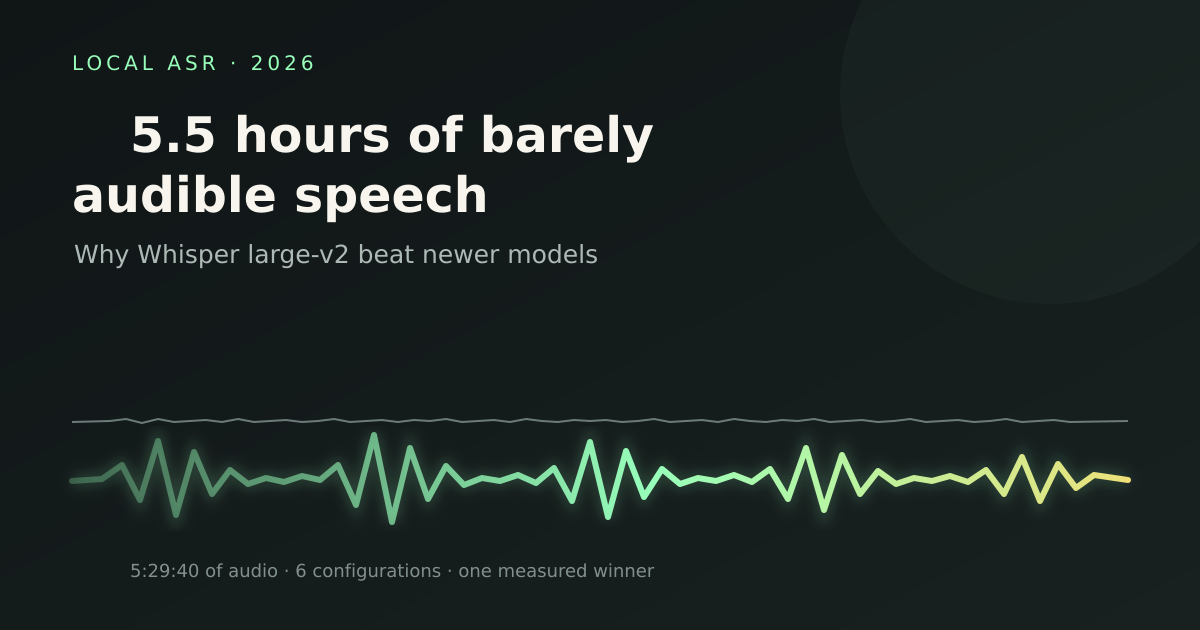
Five and a half hours of barely audible speech. Why Whisper large-v2 beat newer models
Six recordings, dozens of trials, and a sentence that appeared after 86 seconds of silence. We sought a modern open model for local transcription, but an older Whisper delivered the best result.
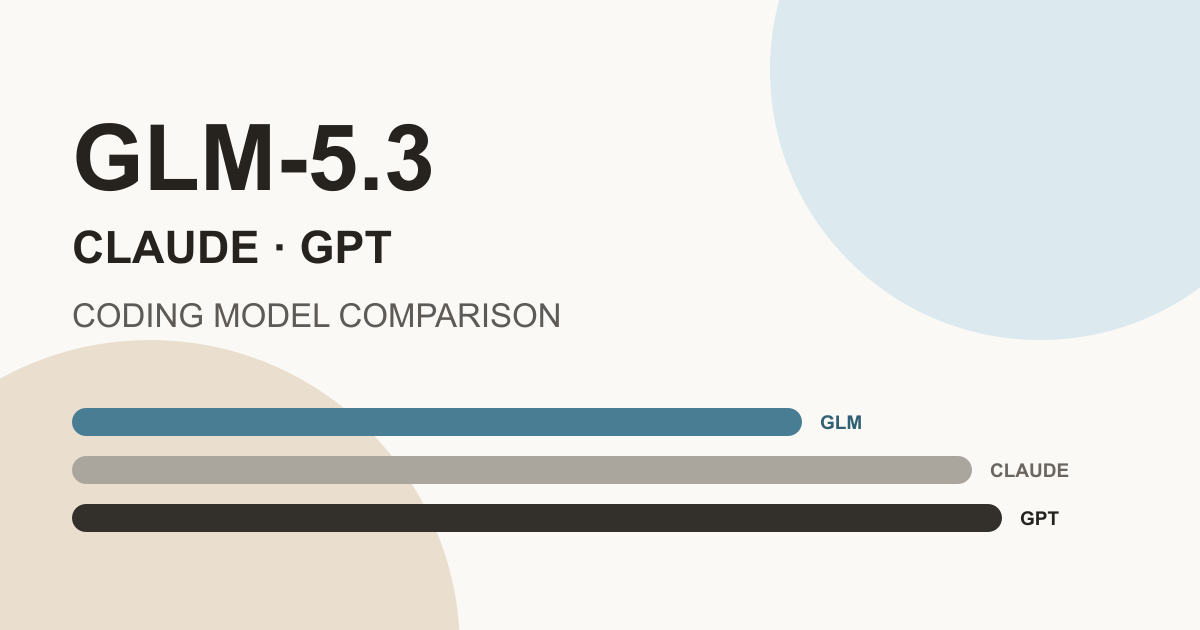
GLM-5.3 moved closer to the frontier. It still does not lead in coding
Z.ai’s release table shows a large gain over GLM-5.2, but it does not prove outright leadership. We examine what was measured, where vendor evidence ends, and how to test the model on a real repository.
The model that filled the queue: why Kimi K3 matters beyond its records
Demand forced Moonshot AI to pause new subscriptions. The more consequential event came later: the company released the weights of a model that had moved close to the strongest closed systems.